
Common Mistakes Pet Owners Make When Appealing Insurance Denials (and How to Avoid Them)
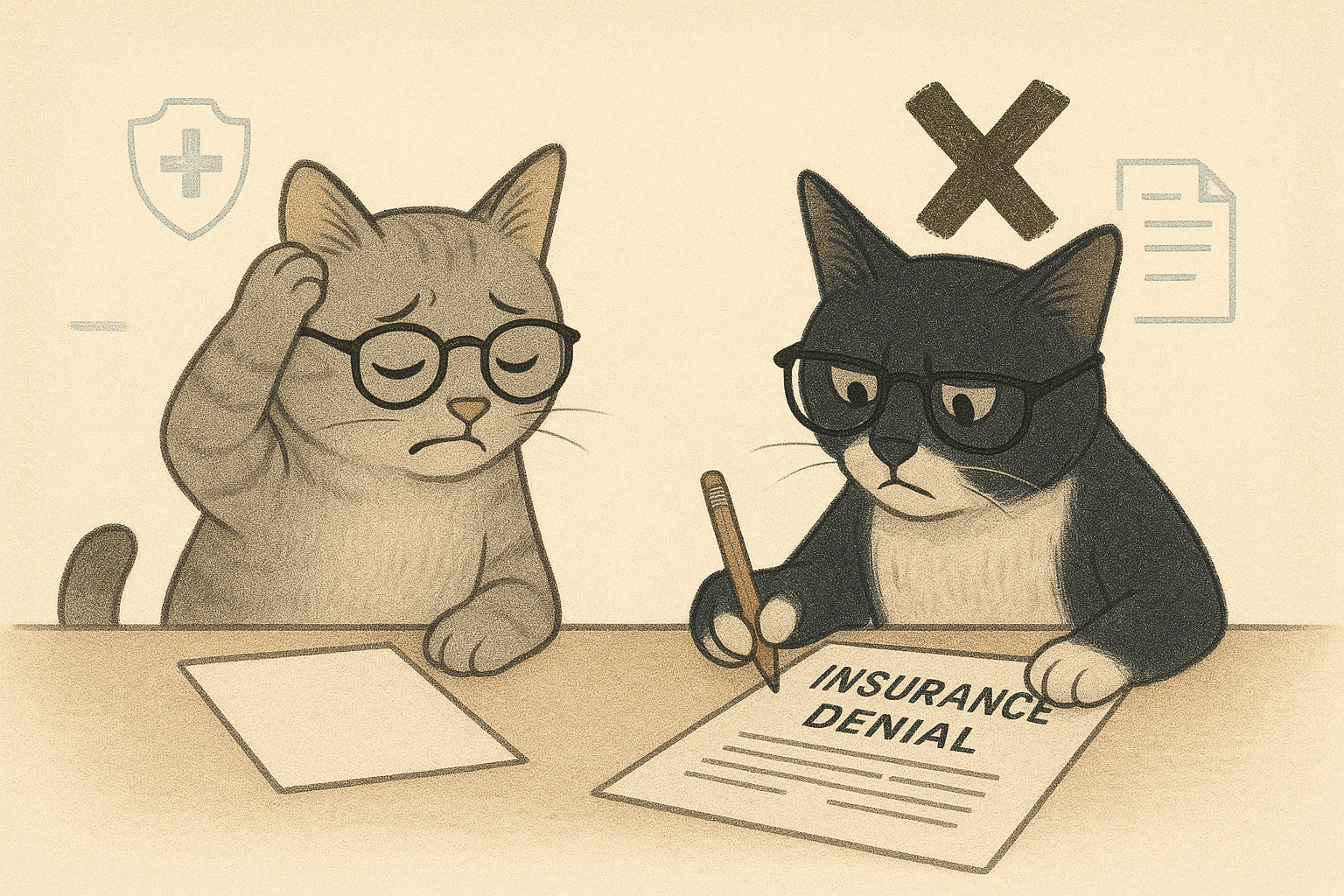
Pet insurance can help when your pet faces an unexpected health problem. It can cover big bills and give you some peace of mind. But sometimes, your insurance claim gets denied. This can be incredibly frustrating, especially if you have been paying premiums for years and need the money for treatment. Denials are common, but you can often appeal and win if you avoid some common mistakes. This guide looks at the top five mistakes people make when appealing insurance denials and offers simple ways to help you make your case.
Mistake 1: Not Understanding Your Policy's Coverage
Many people appeal without reading their policy first. Insurance plans are all different, but they all have some common conditions that are not covered , such as pre-existing conditions or hereditary issues. Many plans have waiting periods, so if your pet gets sick too soon after you buy the policy, the claim may get denied. If you do not know these details, you might appeal a denial that is correct, or you might miss a good chance to appeal.
Before you appeal, read your policy. Look for sections that list what is not covered, when coverage starts, and how they define "pre-existing condition." For example, if your dog had arthritis before you bought the policy, claims for arthritis may not be paid. Some plans do not cover dental cleanings or regular checkups. If you do not understand something, contact your insurance company and ask for help in writing. Knowing your coverage helps you avoid wasted effort and frustration.
Mistake 2: Missing Appeal Deadlines
Timing matters with insurance appeals. Each insurance company sets a deadline, often 30 to 90 days from the denial date, to file an appeal. If you miss this deadline, your appeal might be automatically denied, even if your case is strong. Many pet owners wait too long because they feel overwhelmed or confused.
To avoid this, always read your denial letter immediately. It should say when your appeal is due. Write this date on your calendar, set reminders, and try to send your appeal early. If you feel stressed or busy, ask a family member or friend to help you keep track.
Mistake 3: Submitting Incomplete or Disorganized Documentation
Insurance companies make decisions based on paperwork. If your documents are missing, unclear, or mixed up, your appeal may get denied. Missing vet bills, unclear treatment notes, or dates that do not match can all cause problems.
To build a strong appeal, collect all the needed documents. This includes itemized invoices, medical records, test results, and a letter from your vet explaining why the treatment was needed. Label and organize everything. If your policy supports your case, include those sections as proof. Appealing a claim is a multi-step process , and organized paperwork improves your odds.
Mistake 4: Relying on Emotion Rather Than Evidence
It is normal to feel upset when your pet is sick and your claim is denied. But insurance companies look at facts, not feelings. Emotional appeals without policy support often fail.
Keep your appeal calm and factual. Cite specific policy sections and attach documentation. A short personal note is fine, but evidence should do the heavy lifting.
Mistake 5: Not Seeking Professional Help
Start with your vet. A written medical explanation carries weight with insurers. Ask for a clear statement explaining the diagnosis, treatment, and medical necessity.
If that is not enough, professional services like Paws & Appeals can help review your policy and structure a stronger appeal.
Bonus: Preventing Future Denials
Here are steps to reduce future claim issues:
- Enroll your pet before health problems begin.
- Request detailed invoices and medical records from your vet.
- Double-check claim forms for errors.
- Store all insurance and medical documents in one place.
- Ask your vet to write clear notes at every visit.
Staying organized and informed makes claims and appeals far easier.
Conclusion
Appealing a denied pet insurance claim is manageable if you avoid these common mistakes. Know your policy, respect deadlines, submit clean documentation, focus on evidence, and get expert help when needed.
You are your pet's best advocate. With the right approach, you can turn a denial into an approval.